Energy

A few weeks ago, one evening the kids and I had one of those magical dinners. Jo was back at Lariat Ridge hanging out with Carol who is recovering nicely after her second knee replacement surgery. I had taken the kids to Havalah for their haircuts straight after school. We stopped at Central Market on the way home and bought a loaf of freshly baked rosemary bread and two juicy prime ribeyes (32,000 liters of water down the hatch). I thinly sliced the steaks across the grain like Japanese yakiniku. Everyone liked it. My cheap wine tasted great. We sat in the lovely spring evening outside and chatted for a couple of hours.

It took me about 20 minutes to get the grill hot and cook the ribeyes. I spent less than a pound of propane, say 500 grams in the metric world.

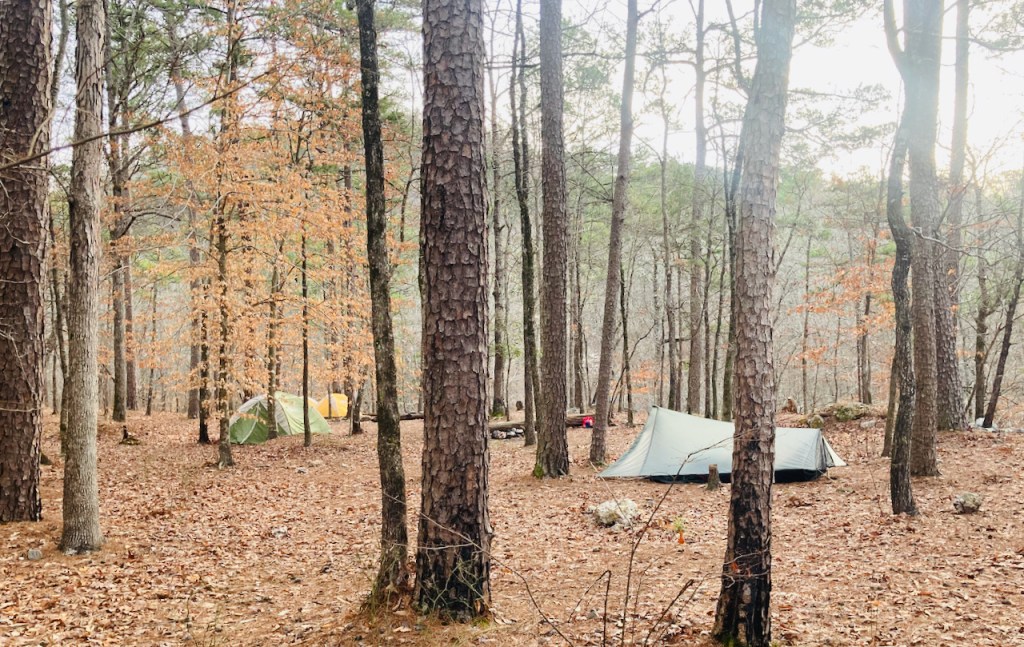
When we backpacked in the Ouachita National Forest over spring break, I used 100 g of propane over four days from one of those pocket sized gas canisters that directly screw into an ultralight stove to cook. We boiled water each night for Vivian, Evan and my dinners and for Princess Vivian’s oatmeal in the morning (Evan and I ate cold granola for breakfast). We consumed 25 g of propane per day compared to 500 g to grill the ribeyes in the backyard. The energy in 25 g of propane can be stated in many different ways. Let’s drop into my teacher Daniel Sam’s physics class back at HPS for a quick review, ‘de man.

Energy is defined in physics as the capacity to do work. Work is the force applied on an object times the distance that the object is moved. Force is measured in newtons (N) in Système Internationale (SI) units and distance in meters (m). The unit of work in SI is joules (J) – one J is a force of one N applied to move an object by one m. So a J is also a N-m. As force is mass times acceleration, work and energy are mass x acceleration x distance, or mass x distance2 / time2 which makes a joule the same as a kg m2/s2. If you pick an average sized lemon which weighs exactly 102 g and move it from the floor to a table 1 m high, you have worked against gravity which has a downward acceleration of 9.8 m/s2. You have done 1 m x 102 g x 9.8 m/s2 or 1 J of useful work and if you used a 100% efficient machine it needed 1 J of energy. If you personally did the work you also moved your upper body’s weight against gravity, so you did a lot more work.

Speaking of doing work for no good reason, a calorie is another way to measure energy. We run into the calorie mostly when we are trying to burn more of it or eat less of it. Officially it is the energy needed to raise the temperature of one gram of water through one degree Celsius. A calorie is equal to about 4 J or four lemon pick-ups. A kilo calorie (kcal) is a 1000 calories. When a 12 oz can of Coke says in contains 140 Calories, it really means 140,000 calories. But because no one wants to drink that many calories we drop a few zeros like the peso. Food labels in the US frequently call a kcal a Calorie and spell it with a capital C.

Back to the lemons. When I pick a lemon off the floor to a meter tall table I expend about 0.1 kcal. Don’t quote me on this – I went through some approximate calculations involving toe touches and other stretches because lemon picking isn’t yet an Olympic sport. So 0.1 kcal is 100 calories with a small c or 400 J. Remember we said that the useful work done on the lemon was just 1 J. My body spends 399 J bending down and straightening up while doing 1 J of useful work on the lemon.

I burn about 1860 kcal or 7440 J even when I sit on my ass all day which does not happen infrequently. This number is based on my gender, weight, height, age, and other factors. This is the energy needed to pump blood and maintain my body temperature and think and digest food and do other stuff that keeps my body alive. My liver, spleen, and brain account for almost half of my body’s resting energy needs. If I get off my ass moderately, I need to absorb about 2400 kcal or 20,000 J of energy from food per day. Remember this number. There will be a test later.

One somewhat basic definition of you is that you use energy to create order from chaos. Living things are more organized compared to the world outside them. The chemical energy stored in food along with oxygen from the air we breathe is converted into complex ordered molecules. Some of these molecules do the work associated with living, like reproducing, growing, digesting, healing, and moving. Some molecules store excess energy in my belly fat. And like everything else in our known universe, some of the incoming energy is lost as heat, increasing the entropy of the universe forever. Plants additionally use energy from the sun. Other living things eat them thereby absorbing a portion of the sun’s energy stored in complex ordered plant molecules as chemical energy. The sun and other stars get their energy by smooshing hydrogen atoms into helium atoms. CSNY sang that we are star dust. A less lyrical addendum is that we live on star power.

Recall that energy is the capacity to do work. Power is the rate at which work is done. Returning to our trusty lemon, if a 100% efficient machine moves the lemon very slowly over the course of a year, and another one moves it in a second, the amount of work done by both is 1 J. But the fast machine uses a lot more power. To be exact, it expends 1 J per second, or 1 W (watt) which is the SI unit of power. Conversely, one W-s is one Joule because multiplying power with time gets you back to energy. Think of energy as the capacity of a tank of water and power as the flow rate of water out of the tank. A common measure of energy is the kWh (kilo watt hour), and is 1000 (for the kilo) x 60 (for the minutes) x 60 (for the seconds) J or 3.6 x 10⁶ J. Electrical energy is often measured in kWh. If you loaded up a 100% efficient battery with 1 kWh and powered a 100% efficient lemon picking machine, the machine would be able to pick up 3,600,000 lemons. A fully loaded Tesla car battery stores 100 kWh of energy to move you and itself through 640 km.

There are other units used to measure energy. A British Thermal Unit or BTU which should be renamed to an American Thermal Unit is an archaic unit used in less advanced places and is similar to the calorie except that uses pounds and Fahrenheits instead of grams and Celsius. A TOE or Tonne Equivalent of Oil is the energy released with you burn a tonne of crude oil. Consider it the calorie content of one big ass can of oil. A megaton is the energy released when you explode one million tonnes of TNT. A BTU is equal to about 1000 J or 1 kilo J. A TOE is approximately 42 giga J. A giga is a billion or 9 zeros. A megaton is 4.2 peta Joules (15 zeros). The biggest nuclear bomb, the Tsar Bomba, released 50 megatons of energy during its explosion.

Last year the world used 1.4 x 10¹⁰ TOE or 588 exa Joules (18 zeros) of energy. That is approximately 200 x 106 J per man, woman, and child per day. Do you recall how many joules we decided you need to eat to stay alive and engage in moderate activity each day? Of course you do because like me you find all this utterly riveting. So that explains 1/10,000th of my daily energy consumption. Where do I use the remaining 199,980,000 J per day?

I’m looking into it. Feel free to leave a comment with the answer.
Evan’s 11

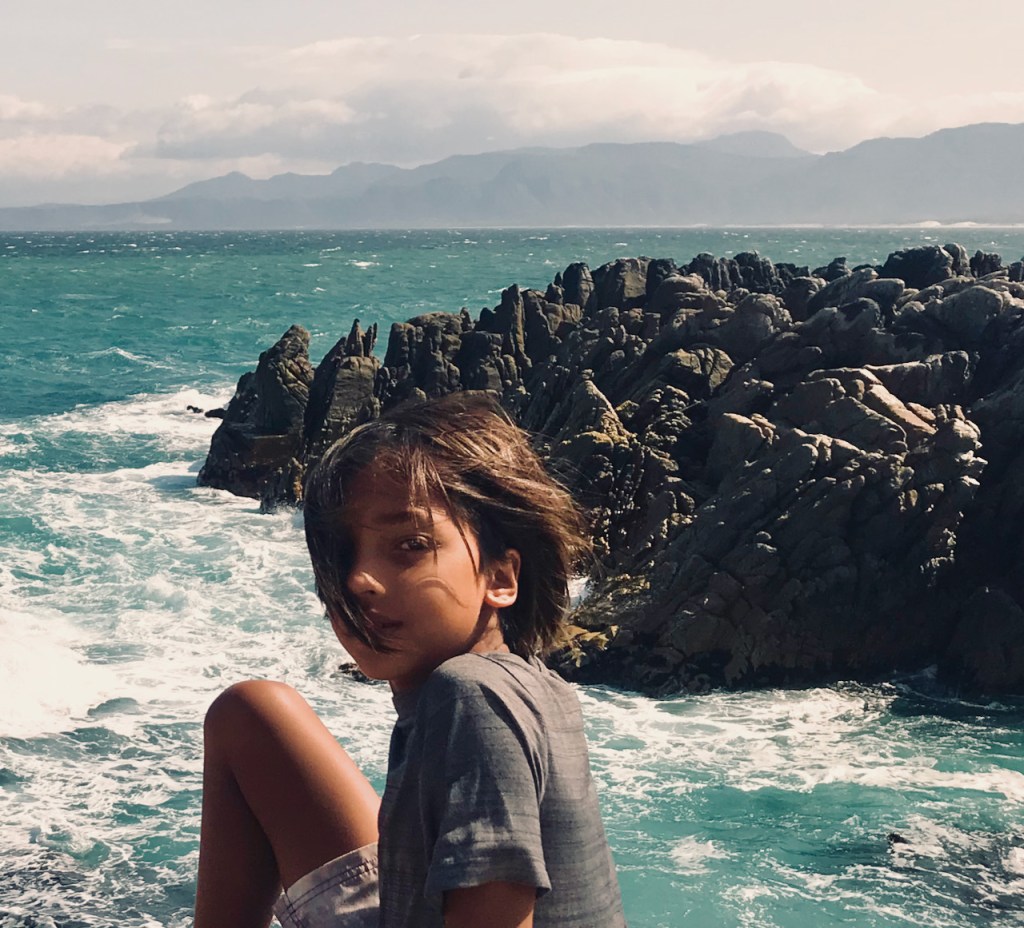
Happy birthday to my favorite male child.

You see those “I march to different accordion” type bumper stickers. You’ve always had your own accordion. Or tuba, or something that only you can hear. And often that means you aren’t easy to parent and even harder to teach, but you are teaching me the virtues of patience. You may construe that as a backhanded compliment. So here are some direct ones. You are caring. You are funny. You never carry a grudge. You laugh easily at the world and yourself. You try to come across as a thick skinned stoic, but you are a lover. You’re a nerd. You’re a turd. You think my jokes are funny.

What did one ass tell another? I love you to Uranus and back.

Ships

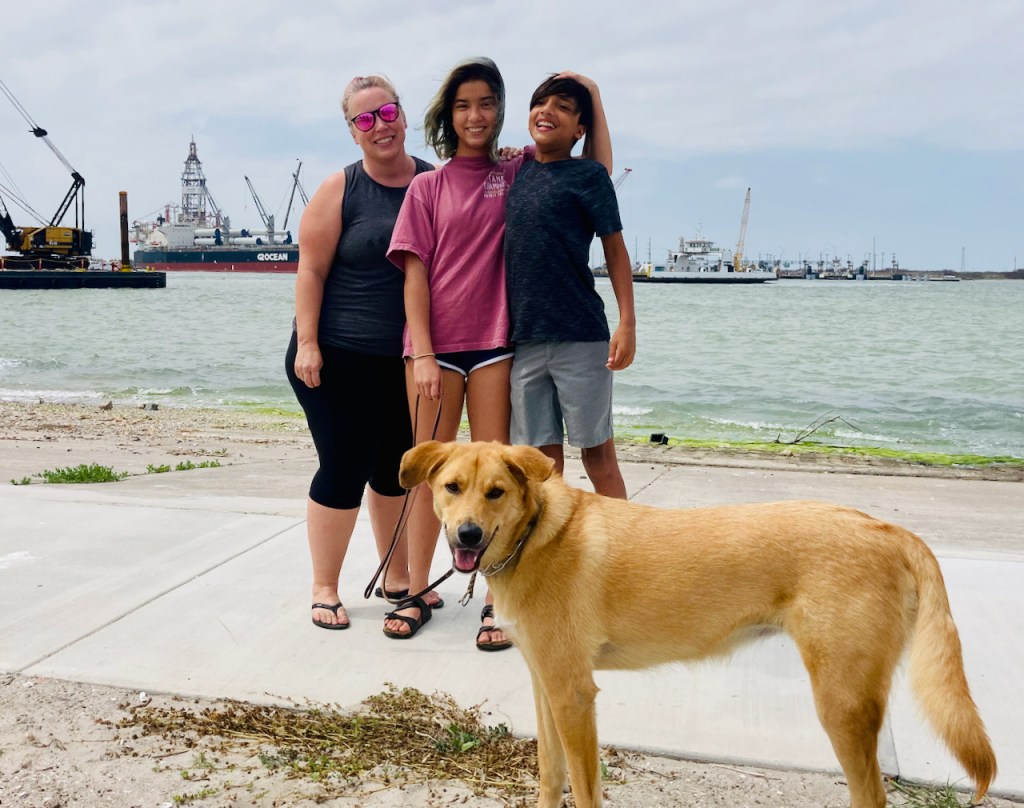
I find ships and things related to marine transportation eternally amazing. That the rest of my family doesn’t is eternally disappointing. Here’s a photo of them standing by the bay with Ouiser in Port Aransas. There’s all kinds of stuff in the water behind them. To the right of Evan is one of the ferries that run back and forth between Port Aransas and the mainland, a short 5 minute free service provided by TxDOT. We took it on the drive back to Austin even though it wasn’t on the fastest route. It’s nothing like the ferry that swallowed up our entire train on our trip from Hamburg to Copenhagen in 2014 but a ferry trip is fun.

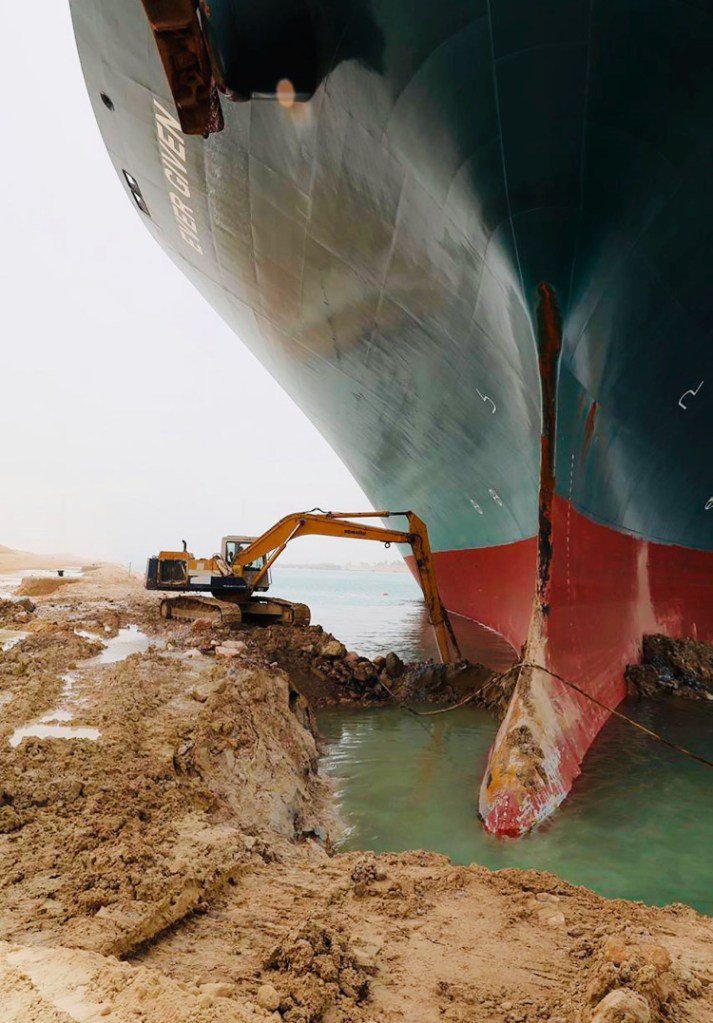
To the extreme left of the picture there’s a construction barge with the yellow crane on it doing something to one of the ferry slips on the island side. And to the left of Jo, a ship owned by G2 Ocean is unloading what look like really giant pipe sections. The ship is the Gingko Arrow and arrived here from the port of Tuticorin in south India, carrying wind turbine towers. A few months ago it carried a load of wind turbine blades from India to here. It travels around the southern tip of India, sails across the Arabian sea through the Suez canal into the Med, out through the strait of Gibraltar, across the Atlantic, and to Port Aransas. It is amazing what you can look up on the internet about ship tracks, something we got familiar with during the Ever Given stuckage in the Suez. I love the photos of the tiny backhoe working away against the giant hull of one of the largest container ships in the world. And the memes for the backhoe and the hull with pairs of labels like “my New Year’s Resolutions” and “my Life”, or “the Paris Accord” and “Climate Change”, or “Reason” and “QAnon”.

A few minutes after I took that photo of the family on the bay in Port Aransas, we were treated to this marine parade. Jo captured it in the time lapse video. It was a giant offshore oil rig being carried on a giant ship pulled by a tugboat out front and restrained by two tugs in the back.

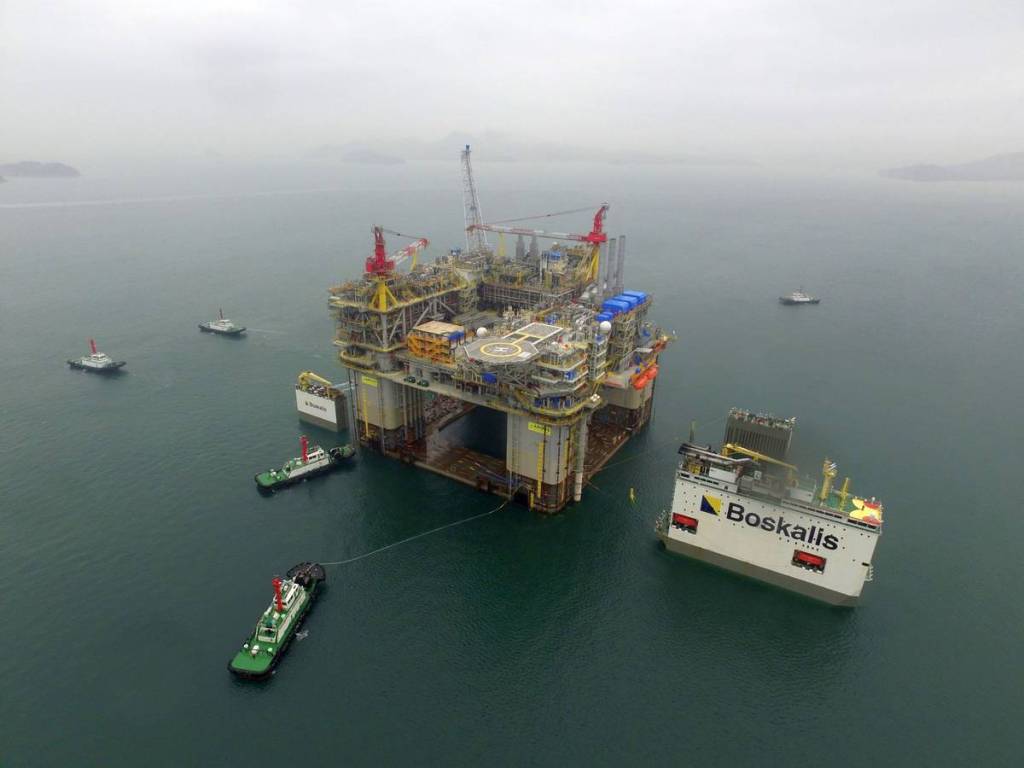
This is bp’s newest production platform for the gulf and is named the Argos. It was built in South Korea in the Samsung shipyards and then transferred to one of the world’s biggest heavy lift ships called the Boka Vanguard. How on earth do you transfer a giant oil platform on to a ship? By partially submerging the ship and then floating the cargo on top of it and then unsubmerging the ship again. Here’s a picture taken during the process in South Korea. The hull of the Vanguard is fully submerged, with portions of it’s white and grey superstructure visible like floating towers. The biggest one in left foreground contains the bridge and the accommodations and is located to the portside of the ship’s giant lift deck. The Argos is being towed into position over the Vanguard.

Here are a couple of photo of the same heavy lift ship, the Boka Vanguard, loading and carrying a cruise ship to dry dock in the Bahamas in 2019. And a link to a pretty fun video to watch the operation unfold.

The Argos is going to stay in Ingleside, a port next to Port A, for the next several months where it will be made ready for operations. Then she will be towed to a site 190 miles south of New Orleans and situated over on a very lucrative oil producing area called Mad Dog 2 (hence the name Argos, Odysseus’ dog). When fully functional next year, she will pump out oil from 14 wells almost a mile underwater and produce 140,000 barrels of crude a day. She is a new generation of oil platforms designed to function ultra efficiently and will be profitable even at crude prices of $30/barrel (West Texas Intermediate is trading at around $60 a barrel as I type this). bp has invested $9 billion into the Argos, and she has already taken over a million hours of work to put together. It is possible that when I pump gas at the Rosedale Market a year from now, it may have been sucked out of the ocean floor by the Argos.

When we see Evan heading for a disaster, we often joke that he was born during a disaster. The Deepwater Horizon oil drilling platform blew up in the gulf on the day of his birth. Eleven people died. Five million barrels of oil spilled into the waters of the gulf creating the worst ecological disaster in the history of oil exploration. It took six months to cap the oil well situated more than a mile underwater. bp paid almost $40 billion in fines, penalties, and expenses to clean up the mess. Oil slowly continues to leak out even today.

While Deepwater Horizon and Argos fulfil two very different functions (Deepwater drilled for oil, Argos extracts the oil from wells like the ones Deepwater drilled), they both indicate the incredible risks, engineering, and financing that go into satisfying our ever increasing need for energy. If all goes according to plans, Argos is expected to be pumping away till 2050, the year Evan turns 40!

Port A

This time of the year is particularly hard on the weekend calendar. Evan’s soccer ramps up. There is Easter and the Rosedale Ride. It is birthday season with Jo’s birthday, Karen’s birthday, Evan’s birthday, and Michelle’s birthday. Then there is Mother’s Day. And I’m sure there are other events lurking quietly only to leap out unannounced on a Saturday morning. So we got a head start on screwing up the calendar and went to Port Aransas for an early celebration of Jo’s birthday.

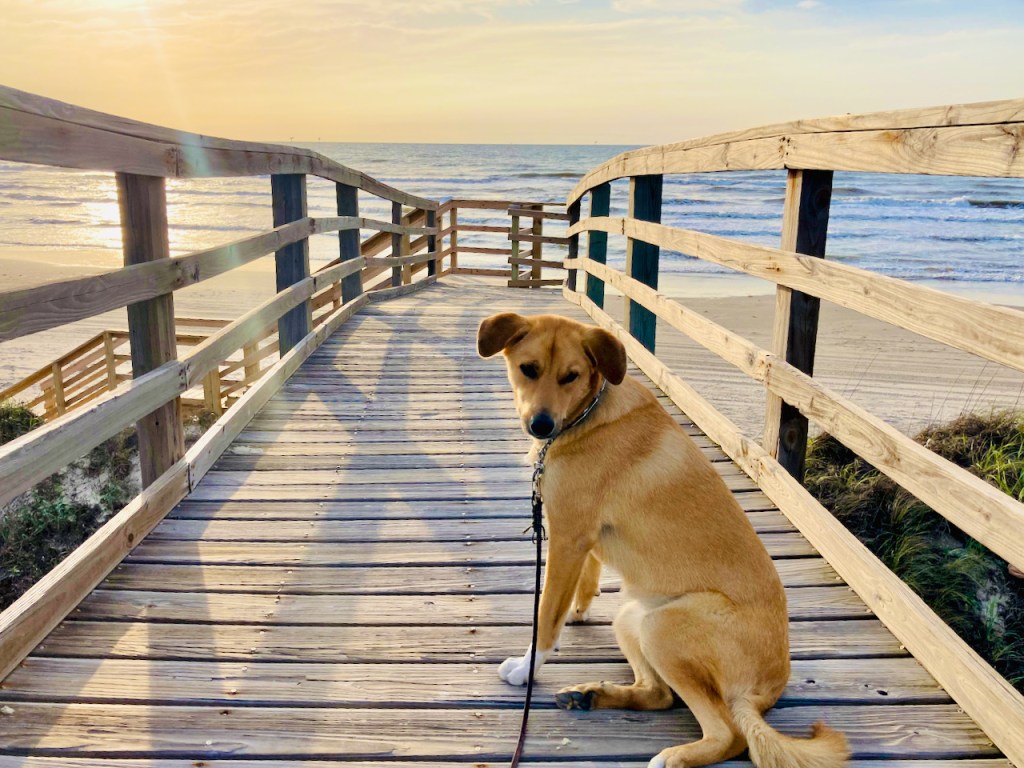
We had a lovely time. Ouiser, our water loving baby didn’t. Turns out she isn’t a beach puppy. She loves playing in the sand but wants nothing to do with the waves. We think she thinks the water is out to attack her.

Port A has it all – a bay side, fine sand, hours of sunshine, and a gently sloping gulf beach that is miles long. But we need to be reminded every few years that somehow these elements come together in North Padre in a less than perfect combination. And then there are the trucks. Texans legally drive on the beach which flattens out the sand and reduces the usable width of the beach to less than half even at low tide.

But the kids had a great time boogie boarding and Ouiser took lots of walks along the beach far away from the attacking water and we celebrated Jo’s birthday.

Easter

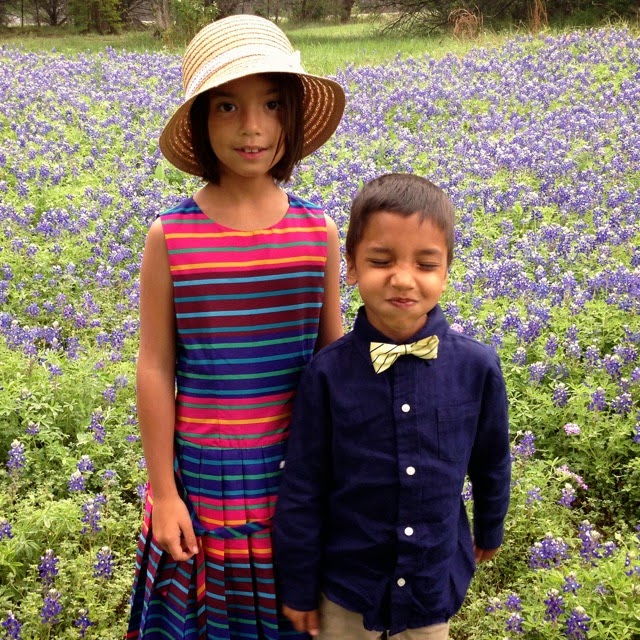
We usually do Easter pretty well. It used to include Pastor Scott’s service for Nicolle’s church at the outdoor pavilion at Slumber Falls, an egg hunt with the cousins, photos in the blue bonnets, and a huge family dinner. I often look back at my previous Easter posts for some of the cutest photos of the kids with their Grandma. Here are some memories from 2010, 2013, 2014, 2015, 2016, and 2018, and my favorite Easter photo of Vivian and Evan from 2015.

This year the older kids organized and ran the egg hunt, and the adults restricted ourselves to celebrating with a stupor-inducing dinner. Carol is recovering from her knee replacement surgery, and perhaps in a show of strength, we didn’t step foot outside. So no pretty photos of the family in Easter outfits sitting amongst the blue bonnets. Instead I do have a stunning picture of a loaf of bread that Vivian and Grace baked. And an amazing photo of Vivian with her floral wreath.

Happy Easter.

Speaking of which, the back in 1993, Alabama banned their public schools from allowing yoga. The kids in PE class can stretch but have to use English names for the poses. And saying Namaste is also banned. Recently an Alabama lawmaker tried to get the law repealed, saying that he was a devout Christian and practicing yoga has not made him less Christian. One group protesting against the repeal argued that teaching yoga violates the constitution’s Establishment Clause. The repeal failed. Whew. I’m so glad to see a conservative group work hard to make sure religion doesn’t spread it’s tentacles into our public education system. And did I really say Happy Easter? I am less atheist now. Jesus! It works.

Water

You notice something when there is less of it.

Back in February when I was hiking in Big Bend I knew exactly how much water I was consuming. When you’re in a desert, you have water on your mind. And lots of time to think random thoughts. I’m finally getting to blog this a couple of months later.

I finish one litre before setting out in the morning. I use a small portion of that to mix in with my powder milk and granola for breakfast and drink the rest down while packing up and getting ready. I drink my next litre while hiking about 10 miles and with lunch. It was still pretty cool during the day back in early February so I didn’t need to replenish a lot of water. By late afternoon we arrive where we were going to camp for the night. I use about two litres between then and going to bed. I drink about a litre and use the rest to cook dinner. A tiny bit goes to cleaning dishes, brushing teeth, and sponging off.

So four litres per day kept me comfortably alive and hydrated, not counting the water in the whiskey. I’m calling this one unit of minimum daily water (MDW). Water is heavy. My backpack with four days of food usually weighs in at around 11 kg (24 lbs). Four litres of water is an additional 4kg (9 lbs). A day’s worth of water is 25% of the weight I have to carry.

Though we were pumping and filtering water from a creek during our recent trip to the Ouachita National Forest, I kept track of our water usage. Mine was about four litres a day again, or one MDW. Vivian’s was slightly less. Evan hardly drank any. We never carried more than a litre because there was a creek always nearby.

At home, we domestically consume about 100 gallons a day per person, the most in the world. That is 379 litres. Some drier western states ironically have higher usage, with Nevada and Utah coming in closer to double the average. But it’s not because we drink 100 times more water at home than I did while hiking. We typically consume most of it for showering, flushing, and washing. A gallon of water at HEB costs about a buck. But a gallon of clean water out of the municipal water mains costs less than a cent. So there is very little financial incentive to cut back on our water consumption. During winter storm Uri, millions didn’t have access to running water. And many more (including us) were under a boil-water notice for days. When you’ve got to get your water in gallon jugs from HEB you’re suddenly like me in Big Bend – you’re down to your 4 litres per day plus what you need to flush the shitter a couple of times. People in Ethiopia and Mozambique use the least water in the world – about 15 litres (less than 5 gallons) per day on average, about 20 times less than us. And it’s not because Ethiopians and Mozambicans are uber water conscious. They unfortunately don’t have ready access to cheap and plentiful clean municipal water.

The water puzzle gets weirder when you think about total water usage. I did mention that walking in the desert gives you plenty of time to ponder.

Besides drinking water and using it to wash, almost everything we eat or use requires water to grow or make. The coffee required to brew a single cup requires 130 litres to grow. A pizza margarita requires 1,600 litres, mostly to grow the wheat. Beef is the most water intensive food, coming in at a whopping 16,000 litres per kilogram. It is inefficient because we must first grow something using water and photosynthesis, and then feed that to the cow and then we eat the cow. Cows are more inefficient at turning water into meat than goats or sheep or chickens. But it could be worse. Imagine if we favored lion steaks. Then we’d have to feed cows to a lion before eating the lion.

Globally, we use about 75% of the fresh water that we extract from lakes, rivers, and springs to grow things we eat. Energy production requires a lot of water too. When we burn fuels to make electricity, huge amounts of water are used to heat and cool things. But if we are careful and don’t pollute the water it can go back into circulation. Not so when we drill for oil and gas both of which use vast quantities of water that is too polluted and will require thousands of years of filtering by nature to make usable again. Fracking (fracturing) literally uses the force of water laced with chemicals to break shale rock deep underground to release the gases stored in the rock. A typical fracking job requires 15 million litres of water or six olympic sized swimming pools full of water. The resulting polluted water either remains underground or is typically disposed off by drilling a dry well and pumping the water into it. That is 3,785,000 MDWs (enough to live in Big Bend for almost four million days or 10,000 years!). Solar and wind farms require enormous amounts of water to build solar cells and steel and fiberglass turbines. But after that they don’t need water to operate.

An empty plastic water bottle requires seven litres of water to make. A sheet of paper needs 10 litres. Making a car costs about 400,000 litres of water.

Scientists and economists call the total water usage our water footprint. It is the total amount of water needed for the production of goods and services and to live. Figuring out a country’s water footprint means adding all the water used plus the water inherent in products imported, then subtracting the water in exports.  Americans have the biggest per capita water footprint. Interesting things happen when you consider where goods are made or grown and where they end up. When Uncle T exports soybeans to China, he is also exporting American water. Being the largest exporter of cereal grains means that America exports huge quantities of consumed water. Like other natural resources, fresh water isn’t distributed evenly over the world. So there isn’t anything inherently bad about exporting water if the exporter is rich in water. California and Israel grow and export a lot of vegetables and fruits. And they don’t have a lot of water. Someday we may decide what to grow or make and what to export or import by considering our water footprint.

Uri is just a memory. I’m back home from Big Bend. I won’t think about this till the next time I’m not around a faucet dispensing clean, almost free water. May be I’ll eat a ribeye and buy a new car and take a long shower while pondering about what kind of a planet we will leave for our kids. It doesn’t take a hydrogeologist or a walk in the desert to guess that water or the lack of it will play an important role in the future.

Walking Ouiser

Remember when Ouiser and her friends were banned from playing at the school yard down our street? Life hasn’t been the same since then. She waits patiently every afternoon by the front door, waiting to go meet her friends. As the afternoon proceeds she gets less patient.

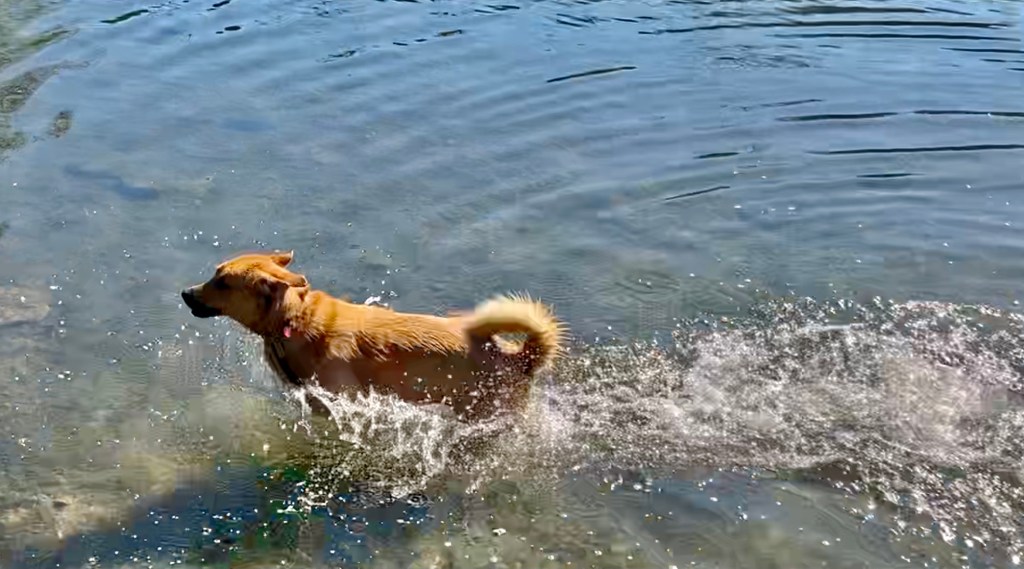
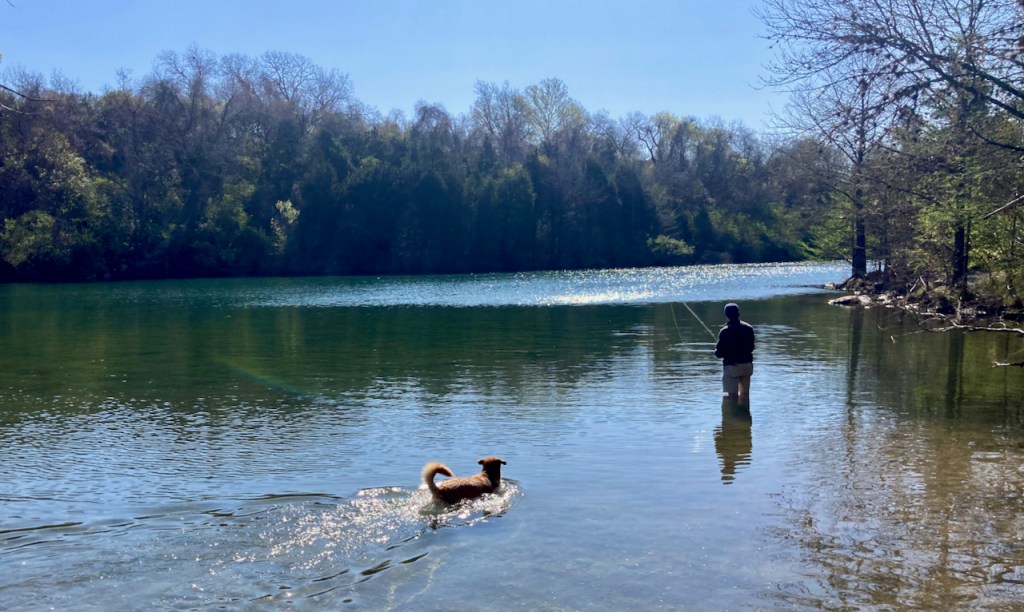
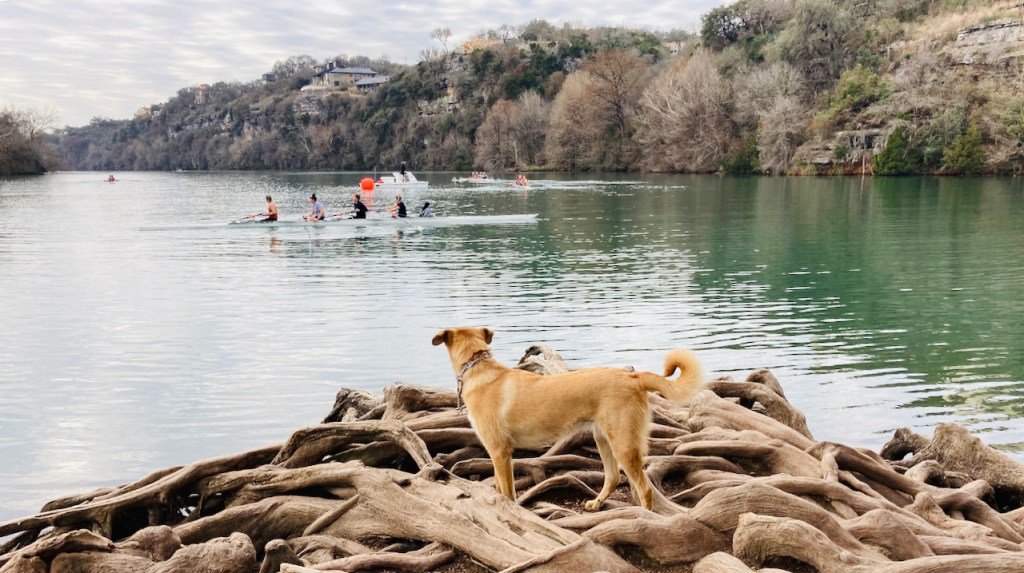
We’ve found some alternative trails and areas where she can have fun without needing to be on a leash. Though she has to take a chance on who she meets there, the presence of a creek or a lake makes up for that. The main drawback is that Vivian can’t walk there with her friends. Here is Ouiser in St. Edward’s Park and Redbud island (Vivian used to think it was called “Red Butt” island when she was little).

Spring Break

Who goes to Arkansas for spring break anyway.

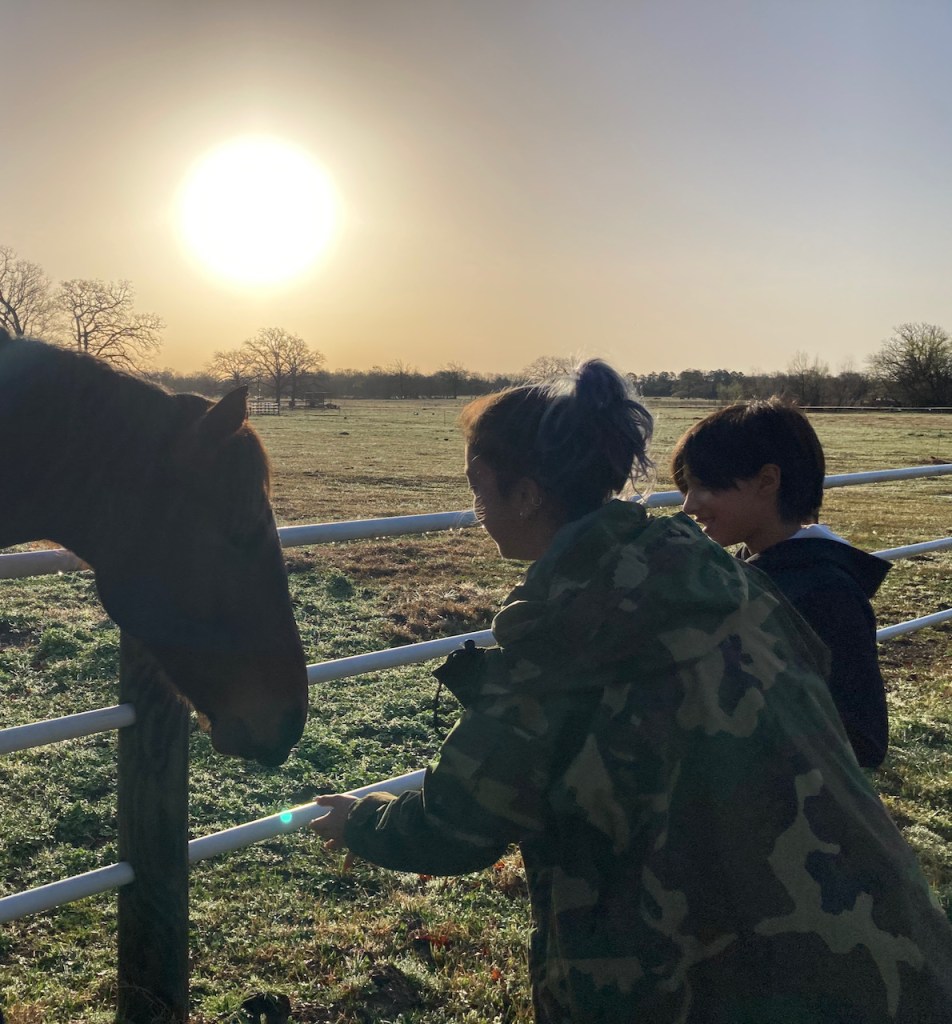
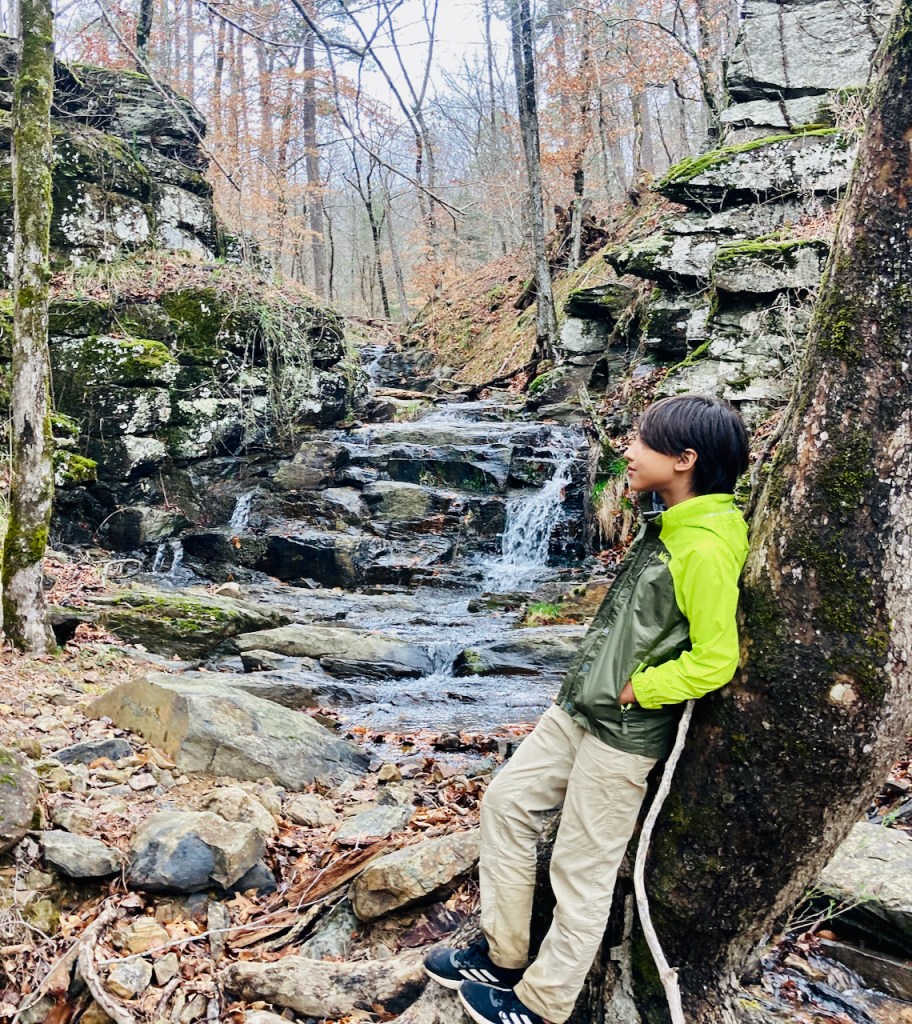
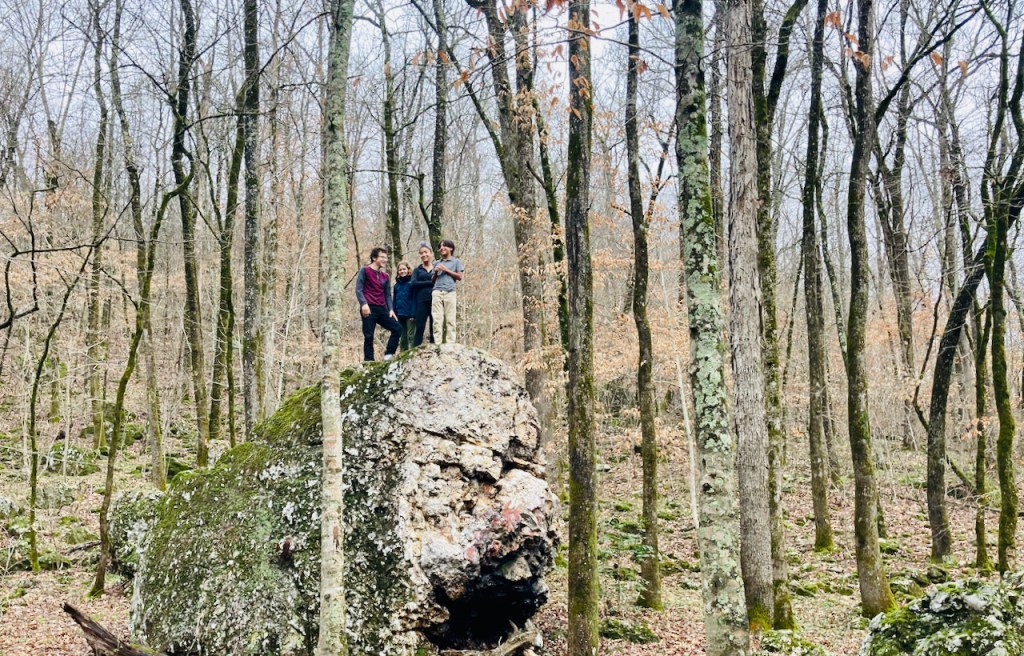
We decided to take a chance and piggybacked on a trip planned by our friends Chris and Nina, and their children who are Vivian and Evan’s age and have known each other since pre-school (Jo stayed back to help Carol with her knee replacement surgery). Monday morning found us waking up in an Airbnb at a racehorse rescue stable. Then we arrived at the southern end of the Ouachita National Forest and embarked on a 18 mile three day backpacking trip.

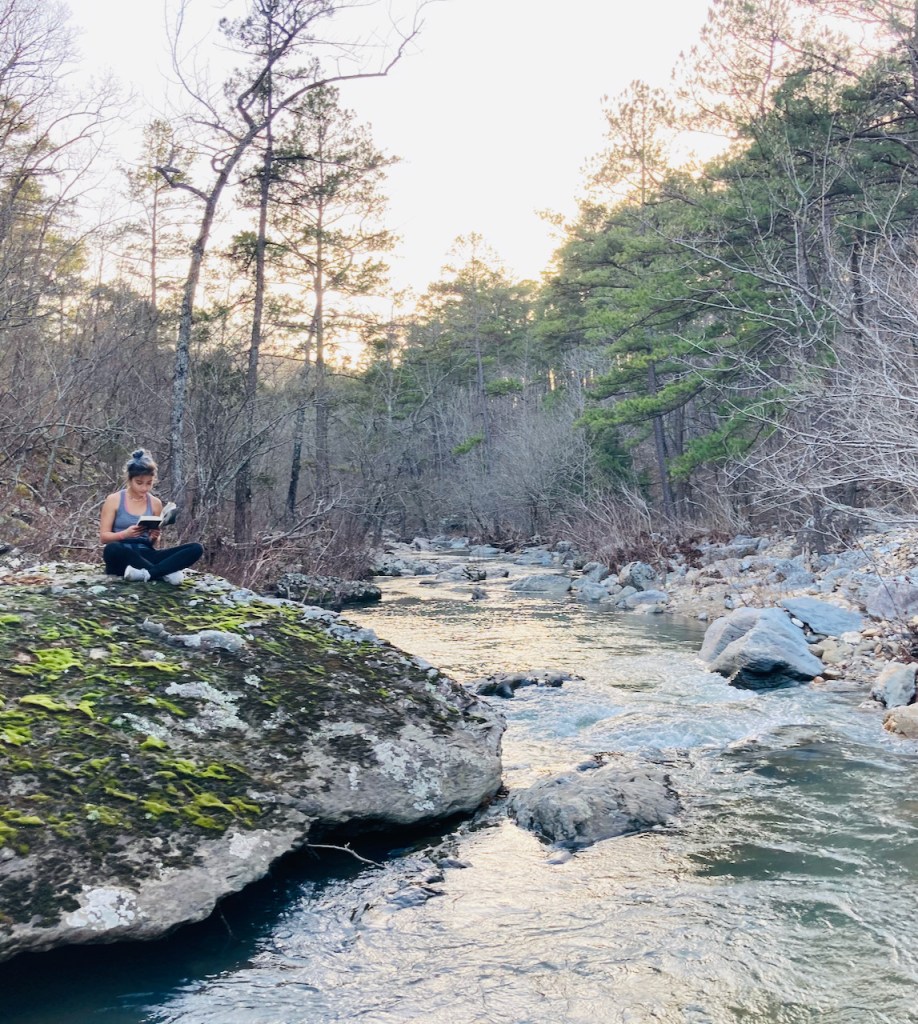
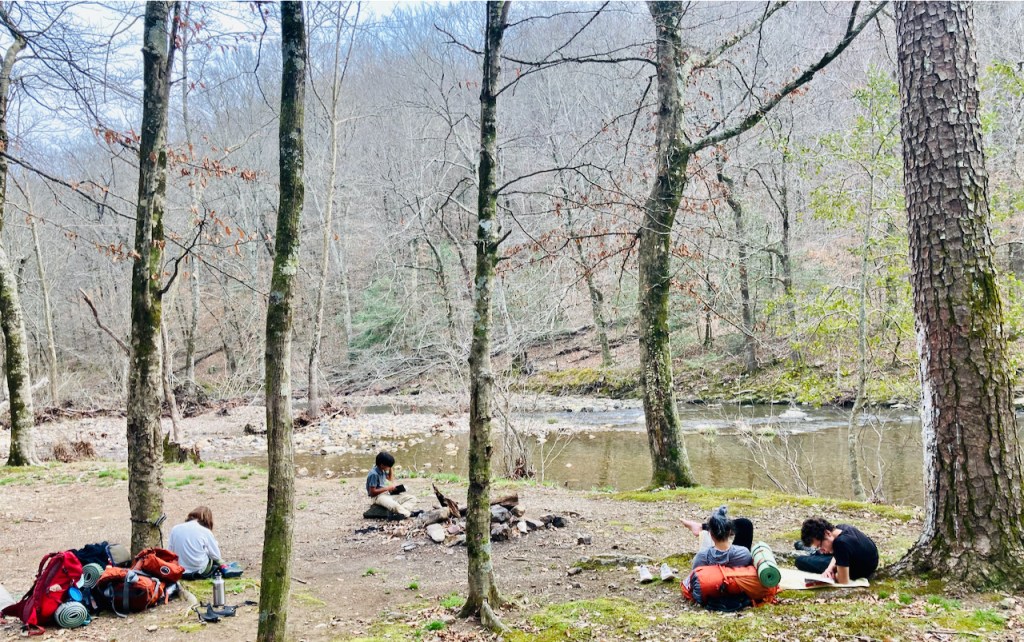
We were never far from a babbling brook, and often in the middle of a fast flowing creek. On any given day there were several creek crossings where the water came up to Evan’s knees. Spring had not yet arrived. The valleys were full of naked trees and the trail was covered in a carpet of leaves. Our pace was purposefully slow – we hiked about two miles an hour and between four and eight miles a day. The little ones’ packs weren’t too heavy but the two older kids carried full packs. However, having water available next to you all day meant that all our packs were relatively light.

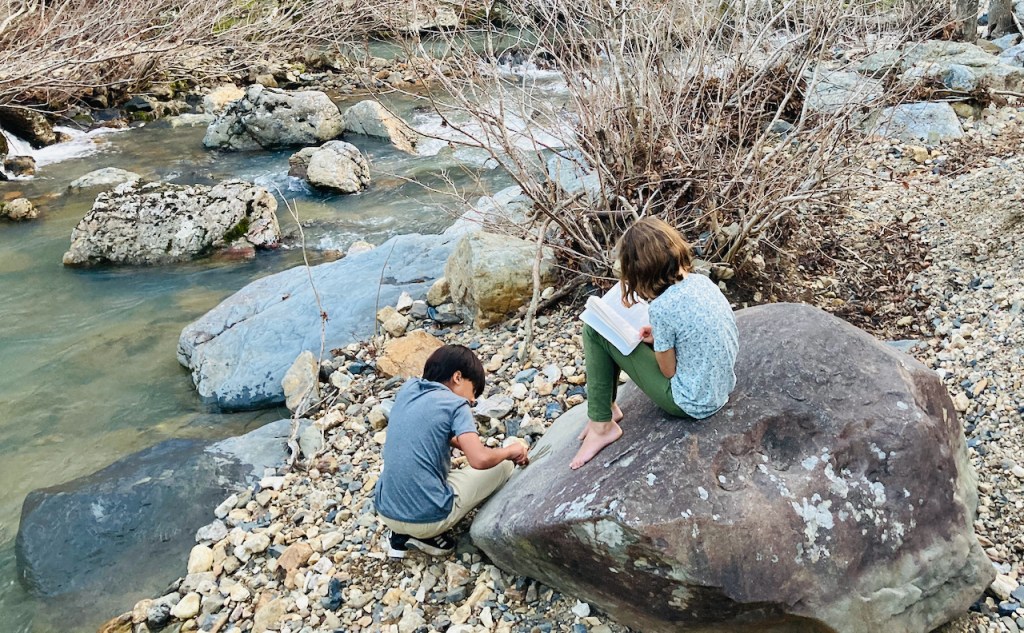
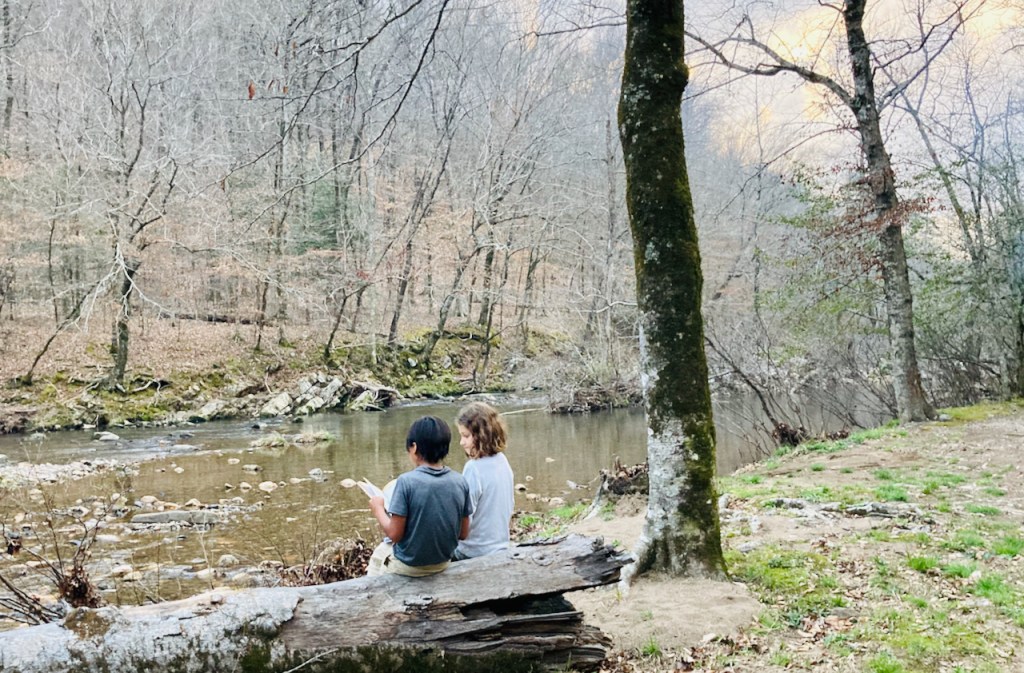
Being beside a creek also means that there’s entertainment for the kids all day. Free of their electronics and devices they skipped rocks, read books, sketched, chatted, had mock sword fights, played 20 questions, and explored. They were also pretty helpful without asking. Evan made fires for the evenings, Vivian cooked, they pumped and filtered water, set up and took down their tents, and packed up their camping gear. They also learned the right way to poop in the wild.

At home, Evan and Vivian only have to walk as far as the fridge or the pantry if they want a snack. On the trail I had got enough food but not extra, and Vivian seemed acutely aware of that. If she ate her cheese and her Kind bar right after breakfast she’d have only one helping of salami and crackers to keep her going till dinner. We discussed that 20% of the world’s children face some form of food shortage and live with hunger every day. Though having to pick between when she got to eat her expensive and highly nutritious snacks is in no way similar to living in hunger, she understood something about hunger in a way she hadn’t grasped before.

On the long drive back to Austin, I asked them what they’d like to eat when we got back. Vivian carefully considered her culinary options one by one. But Evan said with a smile “ramen noodles and Swedish Fish”. It’s what he had for dinner while camping every day!

Memories of Snowpocalypse

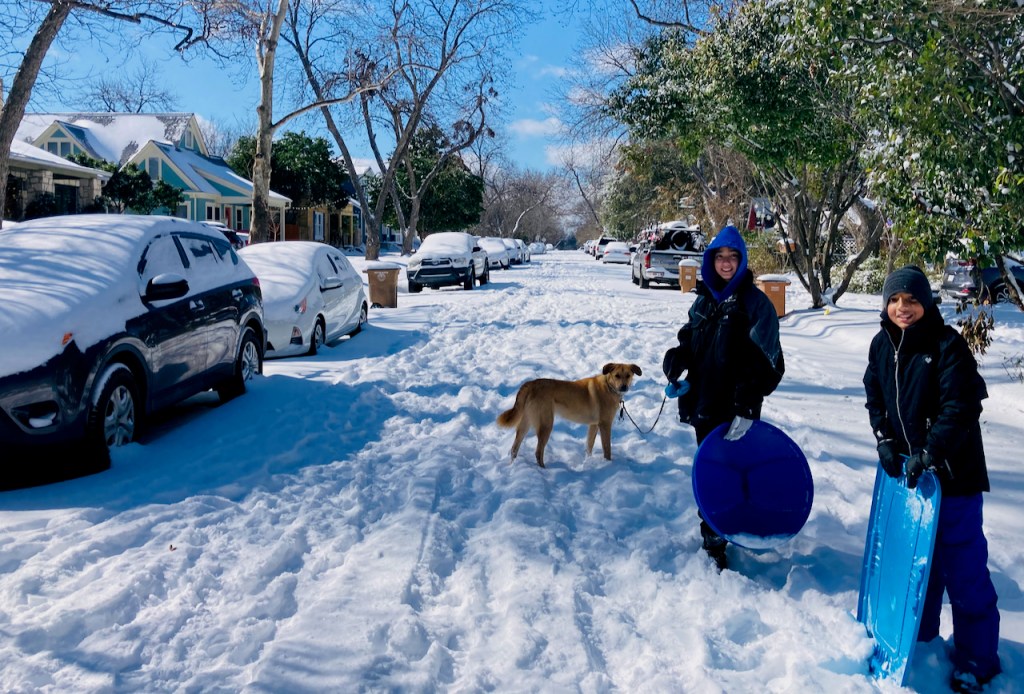
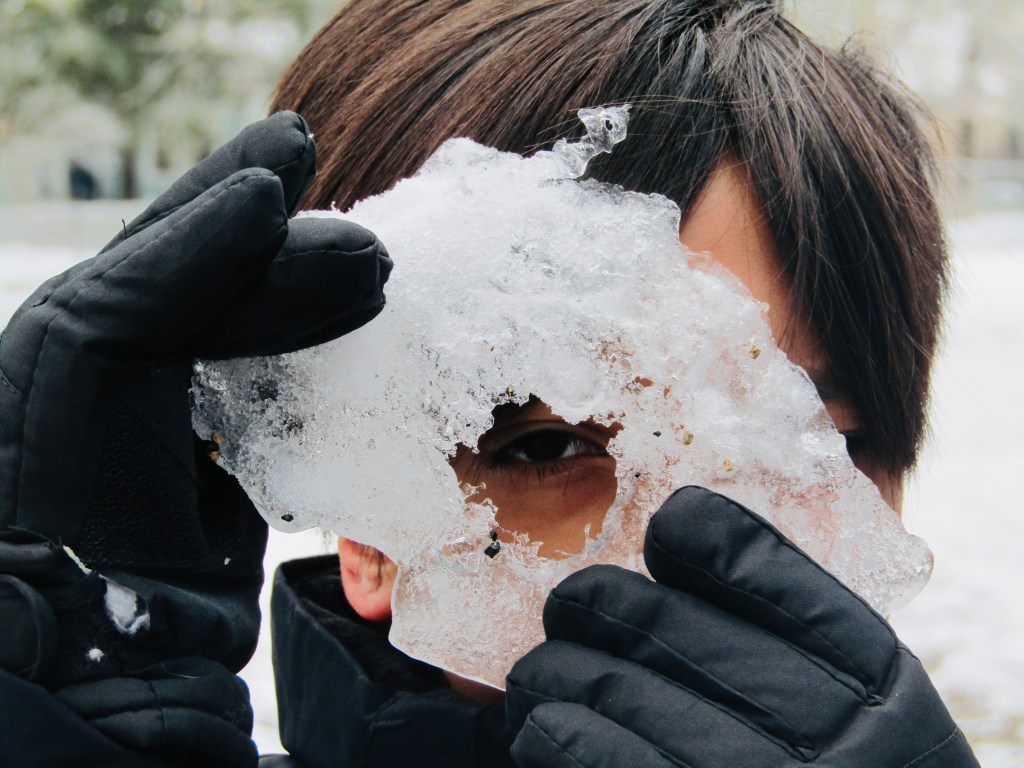
On Friday, Jo and I went to the grocery store hungry and ended up with twice the protein we normally buy because we shopped separately and each of us loaded up. By Saturday, it had been below freezing around here long enough that the ground was pretty cold and ice was beginning to collect on the trees. Saturday also marked another ice storm in Texas 17 years ago – the day I asked Jo to hang out with me on a more permanent basis and she said yes. On Sunday morning, as I walked to Central Market, long stretches of the sidewalks were icy and the trees glittered like crystals. The streets were almost empty and the store was uncrowded, so I got last-minute roses and king crabs to celebrate Valentine’s Day. That night, as we gathered around the dining table to work on Jo’s Golden Girls puzzle, the snow started falling gently, and unlike a couple of weeks before, it stuck. Even the streets, usually reservoirs of stored heat, turned white. The temperature dropped into the low single digits (in F). The cats and Ouiser and the kids woke up to a brilliant sunny President’s Day Monday morning with six to seven inches of beautiful dry powder outside.

On Tuesday, Vivian turned 14. Schools were cancelled. Karen brought us chocolate brownie mix that Vivian baked for her birthday treat. Ava gave Vivian a beautiful vase of white roses. Evan made her a birthday card. Nicolle and family had lost power in New Braunfels and decided to shelter at Lariat Ridge instead, which we could tell still had power because the remote security camera was still working. But their all-wheel drive Subaru didn’t make it up the last big hill and they walked the final three quarters of a mile to find that there was no water. The pipes from the well to the house had frozen and shattered. So they melted snow.

Shit started to fall apart. Power providers who depend on oil and gas started seeing disruptions in their supply of fuels due to freezing pipes and a competing high demand for gas from residential customers. Generating equipment started freezing over. Wind turbines in the cold and windy west and high plains froze. Millions of people started losing electricity and then water. Temperatures inside homes without power plummeted down to the 40’s (in F). Grocery stores were either closed or empty. The roads weren’t drivable.

On Wednesday morning we heard that Manju (Mummy) had passed away earlier that night.

Things didn’t get any better Thursday or Friday. But by Saturday, temperatures were above freezing for the first time in more than a week.

By Sunday it started warming up. One Monday morning everything was still white but by that evening most of the snow was gone. Schools remained closed because staff and teachers were in the same boat, many without power or dealing with plumbing wrecks. Remote school wasn’t an option either because WiFi requires power.

We were lucky to have power and water throughout and a working freezer full of food. Vivian and Evan liked having an unexpected 10-day long school break. Eventually things shuffled back to normal. The long lines outside grocery stores disappeared and people stopped buying an extra jug of milk and another carton of eggs for neighbors and friends. One night it got warm enough to run the air conditioner. Strangers stopped asking each other how they were doing at street corners. After a few more days, the only reminders were thawed piles of toppled over cactus in front yards and Ted Cruz jokes.

It was a week or two to remember.

Death

…in this world nothing can be said to be certain, except death and taxes.

But I have someone else to do my taxes. Which leaves me with the one singular phenomenon that is death. Yet I seem totally unprepared for it. The people who planned my high school curriculum saw it fit that I should know how to do differential calculus and recite Lady Macbeth’s soliloquy. But in my 25 years of formal education I didn’t have a single class on how to die or how to help someone die. So I am stumbling around, blindfolded by social stigma, trying to make my way through thickets of personal experience.

My first brush with death was when my dadoo, my grandfather, died. I was seven. My dad left for the funeral right away. Alu, my mother and I followed a couple of days later. When I saw my dad, his head was shaven. Otherwise he seemed to be himself. He wasn’t crying. He had perhaps finished that part of his grieving, or maybe he shielded me from it. A few years later, our Golden Cocker, Raja, died. That helped me understand death better. It wasn’t the pain of death or the fear of it, it was the finality of it – that I’d never see Raja ever again. Everything I had with Raja was in the past. The future only held memories. And regrets. By the time my mother died, I was an adult. She hadn’t been in great health and her death wasn’t unexpected. I thought that would soften the blow but it didn’t. Arjun’s death was just devastating – I think because of its unexpectedness and also because he left behind his little daughter who was the light of his life. My dad’s death was hard because we had grown very close at that point in our lives – we were spending hours together every day.

We don’t like to talk about death. When my dad was dying, I could not get answers to my questions from the doctors at the hospital. He had arrived at the hospital in a coma. Jo and I were bringing him back home to die. We needed to know what to expect once he was extubated. What to prepare Vivian and Evan for. When to ask Alu to come to Austin. It was finally the home hospice nurse who gave us straight answers.

People die everyday. In an average year the world sees about 60 million deaths. Most of these deaths matter to someone like my dad’s death mattered to me. During the last 12 months there were about two and a half million Covid deaths. Statistically, some of the people who died from Covid may have died due to other causes if they hadn’t got infected with Covid. But still a lot of additional people died and are dying. The US has been affected disproportionately. About 4% of the world’s population lives here. About 20% of the people who died worldwide from Covid lived here. Death is on our minds.

Vivian and I had a conversation about death, perhaps a bit prematurely, when she was three years old which then resulted in her telling the Shahs over dinner one night that I was going to die and that all the Shah’s were going to die. She had just learned that everyone dies. I blogged about it here.

A week ago, Manju Shah died. We all called her “Mummy”. Mummy’s death wasn’t unexpected, but as I found out in the case of my mother’s death, that does not make it easier.

Mummy lived an amazing life. And then died.

I attended a memorial for Mummy hosted by Rajeeta and Minal a couple of days later. It was on zoom, and it was for Mummy’s Osho community . People who were friends of Mummy had logged in from all over the world. Everyone was undoubtedly sad that she was gone. But as the zoom call went along, I had this overwhelming feeling that this was a bittersweet send-off for an old friend who is on her way to someplace better. Hindu philosophy treats the living body as just one temporary stop in the soul’s eternal journey. I am assuming that Osho taught something similar. In fact this memorial was called a “celebration” and it did not have the usual gloom and doom I associate with a memorial service.

Yesterday Jo and I attended Mummy’s funeral. Due to Covid it was small. But it was a beautiful and touching affair. Besides following Osho, Mummy was also Jain. During the funeral Jain and Hindu hymns and mantras were sung. They opened with the Gayatri Mantra, which I recognized and remembered from the ceremony where Alu and I were initiated into brahmin-hood back during our pre-teen years. At one point, akin to the tradition of paying your respect while filing past the casket in Christian funerals, each of us had the opportunity to place some grains of rice and sandalwood dust in Mummy’s casket and spend a moment with the body.

As we drove back home after the funeral, Jo said that the funeral didn’t feel solemn. She felt that the singing and saying Om had a calming effect. She wondered if this was how Mummy had wanted to go. And what we would want our funerals to look or feel like.

I did feel better after the funeral. The rituals and traditions of a funeral provide us with a sense of closure by giving us a time and place to put our feelings of loss into. And for those that believe, the ceremony helped Mummy’s soul onward on its journey.

I have a may-die-soon list in my head. Thankfully, often the list is empty. Lately it hasn’t been that way. When I get a phone call or a message from anyone close to someone on the list my heart skips a beat. Even though I know that life is uncertain and that I may die just as easily before anyone on the list.

Two days ago I got a message from a friend that her daughter has been diagnosed with a life threatening disease out of the fucking blue. A tornado of worry and despair roared through my head. Followed a million thoughts. How do you tell an exuberant and otherwise healthy child that she is very sick? Twenty four hours before that they were eating dinner and chatting away just like us.

Epicurus famously said that death …is nothing to us, seeing that, when we are, death is not come, and, when death is come, we are not. Simple words. But, when we are not, others still are. Therein lies the rub.

About ten days ago I had a conversation with another dear friend who is firmly in the red zone. We laughed and joked and laughed some more and his voice was strong and his brain was as good as ever but his body is ready to give up and he has decided against further medical intervention. One of these calls will be his last. I feel I should say my goodbyes while I have time but I haven’t. If death is certain, life is hopeful.

It is hard to merge the cold reality of my empirical atheism with the spirituality of death. When you believe that your body is just a bag of unstable cytoplasm, amazing and miraculous as it is, the end is the end. There is no wiggle room for second acts, transmigrations, or quantum mechanical fudging. The curtain falls. You are done. The comfort lies only in recognizing what life has left behind – the friendships, the memories, and for some, the actual strands of DNA in future generations. From dust you came, and to dust you shall return. And the cycle continues.

Hindus take off their shoes before entering temples. The individual soul is considered a part of the cosmic soul of the creator, and so there is a bit of god in every one of us. Perhaps it was a combination of these two reasons, but when we walked up to Mummy’s casket yesterday at the funeral, we took off our shoes first. I looked down at my socks in horror. There were golf ball sized lemon yellow skulls printed on the dark grey background of the socks. And some text: “I almost died but it was just a cold”. Jo had given me these socks for Christmas to make fun of my man colds. But they were so inappropriate for a funeral. I had to suppress a giggle. Others noticed my socks too. I was embarrassed. Then I remembered Mummy’s smile. It is the thing about her I will miss the most. If she saw me in these socks at her funeral, I bet she would smile.